Chordiality is delighted to announce our next major performance — A Little Night Music— a concert celebrating the beauty, mystery, and serenity of the night through choral music.
At the heart of the program is the world premiere of We Sing into the Night, a work commissioned especially for Chordiality from acclaimed Australian composer Dan Walker. This exciting new piece captures the joy of singing together and the sense of wonder that night‑time imagery inspires.
Join us on Sunday 25 October 2026 at Christ Church Saint Lucia for an afternoon filled with moonlit melodies, star‑soaked harmonies, and music that invites you to dream, reflect, and simply enjoy.
📍 Venue: Christ Church Saint Lucia Corner of Central and 9th Avenues Saint Lucia QLD 4067
🎶 Programme Highlights
We will be presenting a shimmering mix of classical favourites, contemporary gems, and well‑loved popular pieces inspired by the night and the beauty of music itself including:
All Through the Night — Traditional Welsh Air
Hallelujah — Leonard Cohen
Lullabye — Billy Joel
Music of the Night — Andrew Lloyd Webber
O Schöne Nacht — Johannes Brahms
Spanish Serenade — Edward Elgar
Sure on This Shining Night — Z. Randall Stroope
Thank You for the Music — Benny Andersson & Björn Ulvaeus
More details— including performance time and ticket information — will be announced closer to the date. For now, mark your calendar and save the day; we’d love to share this beautiful program with you.
⭐ Want to join us?
We warmly welcome new singers, and with rehearsals for this concert only just beginning, it’s the perfect time to start.
🎵 Find out more about singing with us on our Join Us page.
👉 If you’d like to try a rehearsal, simply contact us — your first three rehearsals are free.
There’s no better time to join Chordiality —preparing for a new performance means fresh music, new friendships, and a warm welcome for anyone who loves to sing. Whether you’re a seasoned chorister or someone returning to singing after a break, this is the perfect moment to step in.
Rehearsals for our next performance have only just begun, and we’re opening our doors to new singers across all voice parts. The program is filled with rich harmony, vibrant repertoire, and the kind of musical moments that remind you why singing feels so good.
✨ Why join now?
Because it’s not just about the music — it’s about connection, creativity, and the shared joy of lifting your voice with others. Our choir is friendly, supportive, and full of people who simply love to sing. If you’ve been thinking about joining a choir, this is your sign!
🙌 No audition required
If you love choral music and enjoy singing in harmony, you’re already halfway there. We’ll help you settle in.
🎤 Try a rehearsal — or three!
We offer three free rehearsals, so you can come along, meet the choir, and see how it feels before committing. It’s relaxed, welcoming, and a great way to ease back into singing.
📅 Rehearsals: Thursday evenings, 7:00pm to 9.30 pm, during school terms. 📍 Location: Saint Andrews Anglican Church Hall, Indooroopilly (see map). 🎵 Next Concert: 25 October 2026
💡 Find out more about our next concerthere (information coming soon!)
😊 Does this sound good to you?
We’d love to welcome you — whether you’re confident, curious, or a little nervous, there’s a place for you here. Get all the details on joining here.
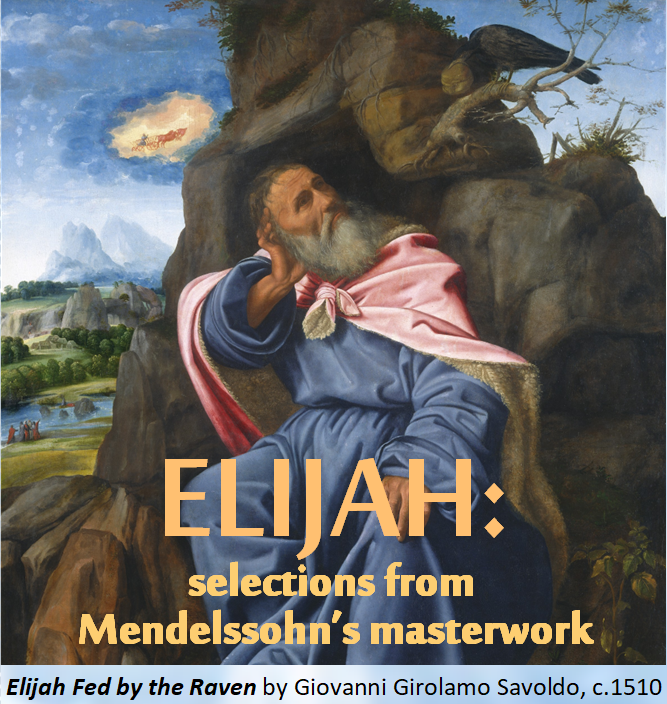
Thank you to everyone who joined us for our recent performance of Mendelssohn’s Elijah. Sharing this powerful music with such an appreciative audience made the whole afternoon unforgettable.
A huge shout‑out to our incredible soloists, Simon Carl and Tomasz Hołownia, whose performances were truly exceptional. Their artistry brought depth, colour, and emotional intensity to every moment.
🎥 Missed it? Want to relive it? Videos from the performance are now available on our YouTube channel. — enjoy your favourite moments or discover the ones you didn’t catch the first time.
📘 Love the music? Our Programme Notes are also available if you’d like to dive deeper into the story, themes, and movements we performed.
Thank you again for supporting Chordiality — we loved singing for you and can’t wait to do it again soon.
Feel inspired? Come sing with us!
🎵 You can find out more about singing with us on our Join Us page.
👉 If you’d like to come along and try a rehearsal, please Contact us.
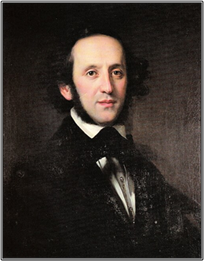
The piece was composed in the spirit of Mendelssohn’s Baroque predecessors Bach and Handel, whose music he greatly admired. In 1829 Mendelssohn had organized the first performance of Bach’s St Matthew Passion since the composer’s death and was instrumental in bringing this and other Bach works to widespread popularity. By contrast, Handel’s oratorios never went out of fashion in England. Mendelssohn prepared a scholarly edition of some of Handel’s oratorios for publication in London. Elijah is modelled on the oratorios of these two Baroque masters; however, in its lyricism and use of orchestral and choral colour the style clearly reflects Mendelssohn’s own skill as an early Romantic composer.
BIBLICAL NARRATIVE
Mendelssohn uses biblical episodes relating to Elijah, which in the original, 1 Kings 17:19 and 2 Kings 2:1, are narrated to produce intensely dramatic scenes, while adding several related biblical texts, mostly taken from the Old Testament. These were doubtless well fitted to the taste of Mendelssohn’s time, and a Victorian sentimentality also seems detectable in places.
Among the episodes is the resurrection of a dead youth. A dramatic episode is the contest of the gods, in which Jehovah consumes an offered sacrifice in a column of fire, while a sequence of increasingly frantic prayers by the prophets of the god Baal failed. Part I is concluded by the bringing of rain to parched Israel through Elijah’s prayers. Part II depicts the persecution of Elijah by Queen Jezebel, his retirement to the desert, his vision of God appearing, his return to his work, and his ascension on a fiery chariot into heaven. The work ends with prophecies and praise.
A complete performance of Elijah lasts over two hours. The notes that follow briefly describe the movements that will be presented in today’s concert.
PART I
The Introduction (Elijah) is a brief recitative concerning Elijah’s prophecy of the drought.It sets up theconfrontation between the “darkness” of the false god, Baal, and the “light” of Yahweh, the one true God.
No. 1“Help, Lord” is a cry of desperation highlighting the severe drought and the nation’s spiritual crisis.
No. 3 (Obadiah) “Ye people, rend your hearts”. Obadiah tells the people to return to God and reject false gods – for God is merciful and kind..
No. 4 (Obadiah) “If with all your hearts” confirms the hope that God will listen to those who seek Him
No. 5 “Yet doth the Lord see it not” highlights the suffering of the Israelites, their growing despair and realization that God may punish them for their worship of Baal.
No. 9 “Blessed are the men who fear Him” is a validation of the prophet’s mission and a reflection on faith in the face of judgment. It expresses the conviction that God is “gracious, compassionate,” and “righteous”.
No. 11 “Baal, we cry to thee” depicts the pleading of the priests of Baal, offering sacrifice on Mount Carmel. However, their prayers are unanswered.
No. 14(Elijah)“Draw near, all ye people”. In this solemn piece, Elijah beseeches God to show Himself as the true God.
No. 15“Cast thy burden upon the Lord” offers calm after the drama of the drought and the confrontation with Baal’s prophets; it emphasizes God’s mercy and care for the righteous.
No. 20“Thanks be to God” is the triumphant conclusion to Part I, celebrating God’s victory over Baal and the end of a devastating drought. The chorus rejoices in the return of rain after Elijah’s prayer on Mount Carmel.
PART II
No. 22“Be not afraid”. Part I concludes with the end of the drought, but Part II opens with the growing tension between Elijah and Queen Jezebel. This chorus reassures Elijah that God will comfort him while he continues his work.
No. 24 “Woe to him”. Elijah has defeated the prophets of Baal and ended the three-year drought. But Queen Jezebel is enraged and incites the people against him.They turn on Elijah, singing “Woe to him!”, calling for his destruction and accusing him of causing Israel’s troubles.
No. 25 (Obadiah & Elijah) “Man of God, now let my words”. Obadiah warns Elijah that Jezebel has stirred up the people to kill him and urges Elijah to flee for his life into the desert. This marks the end of Elijah’s public ministry and the start of his exile.
No. 26 (Elijah) “It is enough, O Lord”. & 27 (unnamed tenor) “See, how he sleepeth. Feeling alone, Elijah begs God to take his life, declaring, “I am not better than my fathers”. He laments that his mission has failed. Then the tenor describes Elijah finally falling asleep in the wilderness surrounded by angels.
No. 29“He, watching over Israel”. This serves as a bridge of divine reassurance during one of Elijah’s lowest emotional points and reminds the audience (and the fleeing prophet) that God “watching over Israel, slumbers not, nor sleeps.”
No. 32 “He that shall endure” serves as a moral and spiritual anchor following Elijah’s difficult time in the desert. It reinforces the central theme that faith is not just about dramatic miracles but about steadfastness through long periods of suffering and silence.
No. 34“Behold! God the Lord”. After fleeing Jezebel’s death threats and experiencing deep despair in the wilderness, Elijah is summoned to stand on the mountain. The chorus depicts Elijah’s encounter with the Divine on Mount Horeb, vividly describing the elemental forces that precede God’s presence: a mighty wind, an earthquake, and a fire. The final transcendent section announces the arrival of God in a “still small voice”.
No. 37 (Elijah) “For the mountains shall depart” serves as a moment of divine assurance following the terrifying elemental displays of wind, earthquake, and fire in the preceding scenes. God’s “kindness” is enduring.
No. 38“Then did Elijah” is the dramatic conclusion to Elijah’s physical life on earth, depicting his spectacular ascension into heaven in a fiery chariot.
No. 39(unnamed tenor) “Then shall the righteous shine forth”. Whereas the previous number concerns the physical departure of the prophet, no. 39 shifts the perspective toward the eternal reward of those who remain faithful.
No. 41 “But the Lord from the north” is a prophetic epilogue, shifting the narrative from Elijah’s life to the future coming of the Messiah, the “Chosen One” who will follow in Elijah’s spirit.
No. 43“And then shall your light break forth” is the jubilant conclusion to the entire work. It transforms Elijah’s story into a universal celebration of God’s glory and the reward of the faithful.
Visit Allegri Singers for an excellent synopsis of the entire work: